A phone in pieces
Messages, application records, deleted artifacts, timestamps, and the limits of an extraction. The useful answer is rarely sitting in one screen.
DIGITAL FORENSICS / GEORGIA
POWELLPATH CONTACTFIELD NOTE / 001
Most digital evidence arrives in pieces: a handset, an account export, a location record, a screenshot with the surrounding conversation missing.
Taylor Black works through the pieces and tells counsel what can be supported, what cannot, and where the uncertainty sits.
PUBLIC PROFESSIONAL PROFILE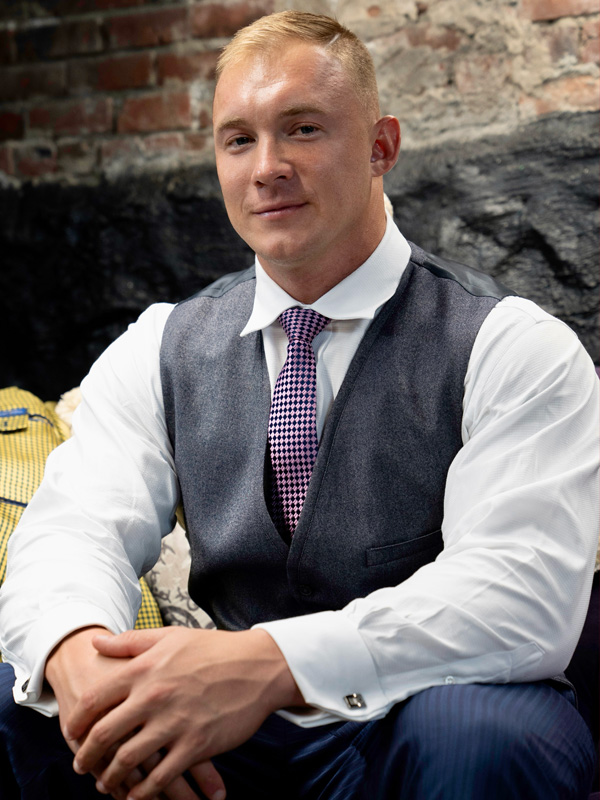
WHAT LANDS ON THE DESK
The device is one source. The account is another. The report should say which one supports the conclusion.
Messages, application records, deleted artifacts, timestamps, and the limits of an extraction. The useful answer is rarely sitting in one screen.
Cloud returns and account exports read beside the handset—not treated as a cleaner, more complete copy of it.
Coordinates, towers, application data, and the necessary distinction between presence, proximity, and inference.
Social-media and communication evidence examined for origin, sequence, surrounding activity, and what may have been left out.
NOTE IN MARGIN / DO NOT SKIP
Time zones, synchronization, application behavior, export format, and source-device settings can all change what a time appears to mean. The report must keep that context attached.
THE WORK / IN ORDER
No black box. Each step should be visible enough for another qualified person to question it.
Not “find everything.” Identify the fact in dispute and the source most likely to bear on it.
Preserve the source and record what happened to it before, during, and after examination.
A device, an account, and a carrier record may describe the same hour differently. The differences matter.
State the finding, its basis, and its limits for the lawyer—or judge—who never touched the device.
PUBLIC BACKGROUND
A U.S. Marine Corps veteran, cybersecurity professional, and the founder of PowellPath Group in Georgia.
Taylor works with attorneys and legal teams on evidence from mobile devices, computers, cloud accounts, social-media platforms, and location records. The work includes technical consultation, examination, reporting, and expert-witness support.
The point is not to make the technology sound impressive. It is to find out whether the available data answers the question counsel actually has.
FOUR NOTES THAT STAY IN THE REPORT
PROFESSIONAL INQUIRIES
Identify the device or account, the date range, and the fact you are trying to test. PowellPath can help determine what should happen next.